
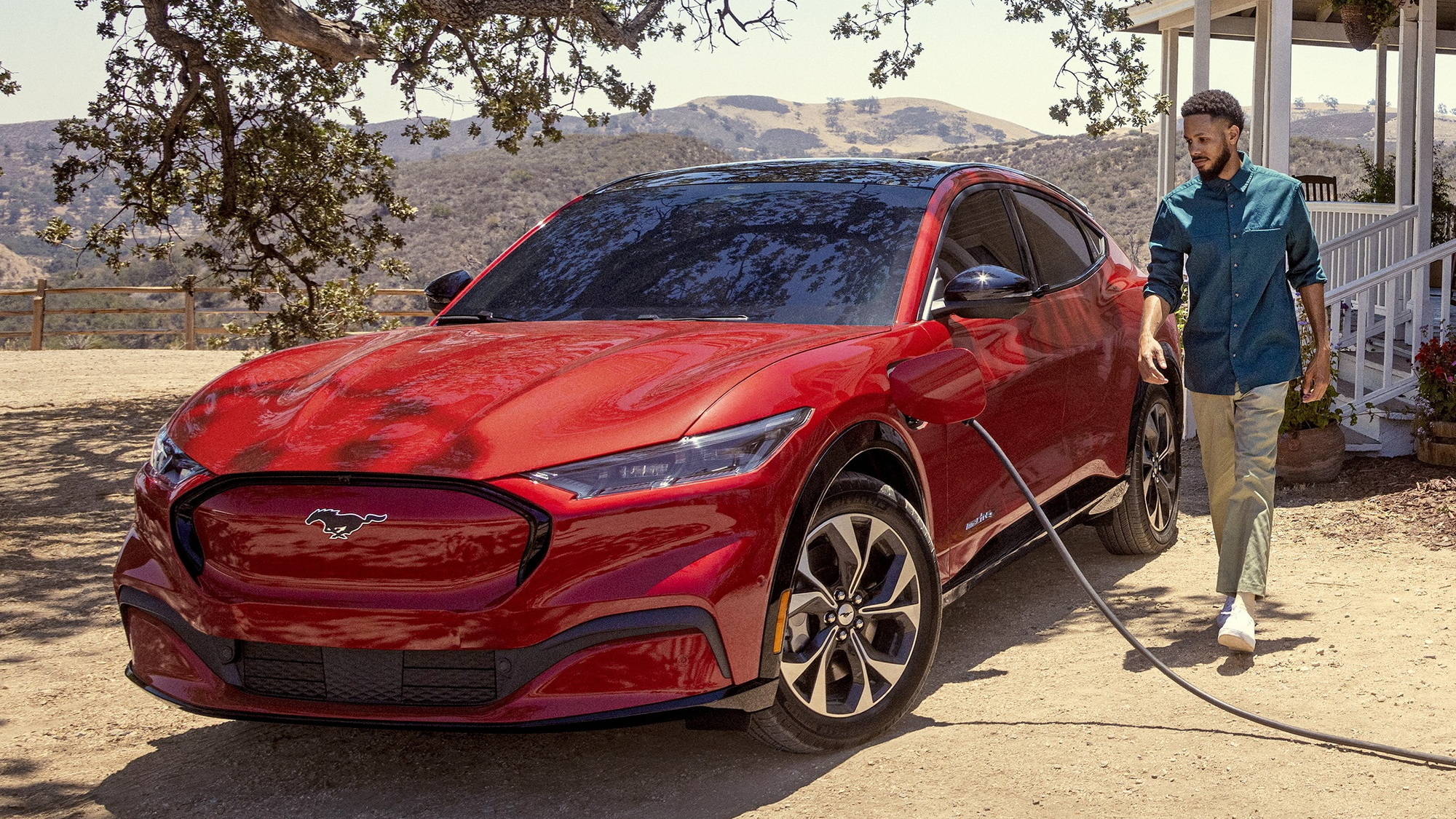
Imagine a world where the air is cleaner, the roads are quieter, and your car contributes to a healthier planet. Sounds idyllic, right? Well, that future is closer than you might think, and a major driving force behind it is something you might not immediately consider: stricter emissions rules.
For years, drivers have faced concerns about fuel costs, the environmental impact of their vehicles, and the nagging feeling that they could be doing more to contribute to a sustainable future. Car manufacturers, too, have grappled with balancing performance and profitability with increasing pressure to reduce their carbon footprint.
So, how exactly are stricter emissions rules fueling the electric vehicle (EV) revolution? Simply put, these regulations are making it more expensive and challenging for automakers to produce and sell traditional gasoline-powered cars. By setting limits on the amount of pollutants vehicles can emit, governments are essentially pushing manufacturers to innovate and invest in cleaner alternatives, with EVs being the most viable solution.
In summary, stricter emissions regulations are a catalyst for EV adoption by increasing the cost and complexity of producing gasoline cars, incentivizing manufacturers to invest in EVs, and ultimately making electric vehicles a more attractive option for consumers. Key terms include electric vehicles (EVs), emissions regulations, carbon footprint, sustainability, and environmental impact.
The Economic Push: How Regulations Affect Car Prices
I remember a conversation I had with a car dealer a few years ago. He was lamenting the increasing complexity of emission control systems in traditional cars. He mentioned how these systems were adding to the cost of production, and ultimately, to the sticker price for consumers. It really hit home how regulations, even if unseen, directly impact our wallets. These regulations force manufacturers to implement advanced technologies like catalytic converters, particulate filters, and sophisticated engine management systems. All of these add to the cost, making EVs a more competitive alternative, especially when considering government incentives and the lower running costs of electric vehicles. Stricter emissions rules drive up the price of traditional vehicles, shrinking the price gap with EVs. This economic pressure, combined with growing consumer awareness of environmental issues, is creating a perfect storm for EV adoption. The investment in EV technology is rapidly decreasing battery costs, which has historically been one of the biggest barriers to EV adoption. As battery technology improves and production scales up, EVs become more affordable, further accelerating the transition away from fossil fuels. The regulations force innovation, making EVs a better economic choice for many drivers.
Beyond the Tailpipe: The True Impact of Emissions Rules
Stricter emissions rules aren't just about reducing what comes out of the tailpipe. They encompass a broader approach to minimizing the environmental impact of the entire automotive industry. This includes regulating manufacturing processes, promoting the use of sustainable materials, and encouraging the development of recycling programs for batteries and other vehicle components. The focus extends to the entire lifecycle of a vehicle, from its initial production to its eventual disposal. This holistic approach ensures that the environmental benefits of EVs are not offset by pollution created during their manufacturing or disposal. Furthermore, stricter emissions rules often incentivize the development of more efficient public transportation systems and the adoption of alternative modes of transportation, such as cycling and walking. By promoting a shift towards sustainable transportation, these regulations contribute to a healthier and more livable urban environment. They encourage manufacturers to adopt eco-friendly practices throughout the supply chain, reducing the overall carbon footprint of the automotive industry. These policies consider the long-term sustainability of the transportation sector, not just short-term emission reductions.
A History of Clean Air: From Smog Alerts to Electric Dreams
The push for stricter emissions rules has a long and fascinating history, dating back to the mid-20th century when cities around the world were grappling with severe air pollution. Remember those old photos of Los Angeles shrouded in smog? Those images were a stark reminder of the health and environmental consequences of uncontrolled emissions from vehicles and factories. In response to these growing concerns, governments began to introduce regulations aimed at reducing air pollution. The Clean Air Act in the United States, for example, was a landmark piece of legislation that set emission standards for vehicles and other sources of pollution. Over the years, these regulations have become increasingly stringent, driven by scientific evidence of the harmful effects of air pollution on human health and the environment. The early regulations focused on reducing pollutants like carbon monoxide, hydrocarbons, and nitrogen oxides. More recently, the focus has shifted to reducing greenhouse gas emissions, particularly carbon dioxide, which is a major contributor to climate change. The evolution of emissions rules reflects a growing awareness of the interconnectedness of environmental issues and the need for a comprehensive approach to addressing them. The history showcases a gradual but relentless pressure on the automotive industry to innovate and develop cleaner technologies.
The Hidden Incentives: Carrots and Sticks for EV Adoption
While stricter emissions rules act as a "stick" by penalizing manufacturers for producing polluting vehicles, governments also use a variety of "carrots" to incentivize EV adoption. These incentives can take many forms, including tax credits for EV purchases, subsidies for charging infrastructure, and preferential treatment for EVs in terms of parking and road access. These incentives play a crucial role in making EVs more affordable and accessible to consumers. Tax credits, for example, can significantly reduce the upfront cost of buying an EV, making it comparable to a traditional gasoline-powered car. Subsidies for charging infrastructure encourage the development of a widespread and reliable charging network, addressing one of the major concerns of potential EV buyers: range anxiety. Preferential treatment for EVs, such as access to carpool lanes or free parking, can make them a more attractive option for commuters. The effectiveness of these incentives varies depending on the specific policies implemented and the local context. However, in general, a combination of "carrots" and "sticks" is the most effective approach to accelerating EV adoption. The incentives help overcome the initial barriers to EV ownership, while the stricter emissions rules create a long-term incentive for manufacturers to invest in EV technology. The policy landscape is constantly evolving to support the transition to electric mobility.
Navigating the Regulatory Landscape: A Guide for Consumers and Businesses
Understanding the regulatory landscape surrounding emissions rules and EV adoption can be challenging, but it's essential for both consumers and businesses. Consumers need to be aware of the incentives available to them when purchasing an EV, as well as the emissions standards that apply to traditional vehicles. Businesses, particularly those in the transportation sector, need to understand how emissions rules will affect their operations and how they can prepare for the transition to electric vehicles. Resources such as government websites, industry associations, and environmental advocacy groups can provide valuable information and guidance. It's also important to stay informed about the latest developments in emissions regulations and EV technology, as the landscape is constantly evolving. Consumers should research available tax credits and rebates before purchasing an EV. Businesses should assess the feasibility of electrifying their fleets and invest in charging infrastructure. Staying informed and proactive is key to navigating the regulatory landscape successfully. Consulting with experts in the field can provide tailored advice and support.
The Role of International Cooperation: Harmonizing Emissions Standards
The effort to reduce vehicle emissions is a global one, and international cooperation is crucial to achieving meaningful progress. Many countries have adopted similar emissions standards, often based on those developed by the European Union or the United States. Harmonizing these standards can create a level playing field for automakers and facilitate the development of globally compatible EV technologies. International agreements, such as the Paris Agreement on climate change, provide a framework for countries to coordinate their efforts to reduce greenhouse gas emissions, including those from the transportation sector. These agreements often include targets for EV adoption and the development of charging infrastructure. Collaboration between countries can also accelerate the development and deployment of new EV technologies through joint research and development projects. Sharing best practices and lessons learned can help countries avoid costly mistakes and maximize the effectiveness of their emissions reduction strategies. International cooperation is essential for creating a truly sustainable global transportation system. Harmonized standards reduce compliance costs for automakers and promote innovation. Collaborative research and development accelerate the development of more efficient and affordable EV technologies. The global effort to reduce vehicle emissions requires a coordinated and collaborative approach.
Charging Ahead: Infrastructure and the Future of Electric Mobility
The availability of charging infrastructure is a critical factor in the widespread adoption of electric vehicles. Without a convenient and reliable charging network, potential EV buyers may be hesitant to make the switch. Governments and private companies are investing heavily in expanding charging infrastructure, but challenges remain. One of the main challenges is ensuring that charging stations are located in convenient locations, such as workplaces, shopping centers, and along major highways. Another challenge is the need for faster charging speeds, which can reduce the time it takes to recharge an EV battery. The development of advanced charging technologies, such as ultra-fast chargers and wireless charging, is crucial to addressing this challenge. In addition to public charging stations, home charging is also important, particularly for EV owners who have access to a garage or driveway. Government incentives and utility programs can help reduce the cost of installing home charging equipment. The future of electric mobility depends on the continued expansion and improvement of charging infrastructure. Addressing the challenges of location, speed, and accessibility is essential to making EVs a viable option for all drivers. The development of smart charging technologies, which can optimize charging schedules based on grid demand, is also important for ensuring the stability and reliability of the electric grid.
The Impact on the Grid: Managing the Increased Demand for Electricity
As EV adoption increases, the demand for electricity will also increase, putting a strain on the electric grid. Managing this increased demand will require careful planning and investment in grid infrastructure. One approach is to encourage off-peak charging, which involves charging EVs during periods of low electricity demand, such as overnight. Smart charging technologies can automatically schedule charging sessions to minimize the impact on the grid. Another approach is to invest in grid upgrades, such as new transmission lines and substations, to increase the capacity of the grid. Renewable energy sources, such as solar and wind power, can also play a role in meeting the increased demand for electricity from EVs. By generating electricity from clean sources, renewable energy can further reduce the environmental impact of electric vehicles. The transition to electric mobility will require a comprehensive approach to managing the increased demand for electricity. Off-peak charging, grid upgrades, and renewable energy are all important components of this approach. Investing in grid modernization is essential for ensuring the reliability and sustainability of the electric grid as EV adoption continues to grow. The integration of EVs into the grid can also create new opportunities for grid services, such as vehicle-to-grid (V2G) technology, which allows EVs to supply power back to the grid during periods of high demand.
Fun Facts About Electric Vehicles and Emissions Regulations
Did you know that the first electric car was invented in the 1830s, long before the first gasoline-powered car? Or that early electric cars were actually more popular than gasoline cars due to their quiet operation and lack of exhaust fumes? It's true! Another fun fact is that some cities offer financial incentives to EV owners, like rebates or tax credits, simply for owning an EV! These incentives are often tied to the stringency of the local emissions rules. EVs are not a new technology, their popularity waned with the mass production of cheaper gasoline vehicles. Regulations are helping to restore EVs to their once prominent place in the automotive landscape. The benefits of EVs, beyond just cleaner air, include reduced noise pollution and lower running costs. Many people are surprised to learn that EVs can even offer better performance and acceleration than comparable gasoline cars. The future of transportation is undeniably electric, driven by the need for cleaner air and a more sustainable planet. Electric vehicles represent a return to a cleaner and quieter form of transportation. They offer a glimpse into a future where transportation is not only sustainable but also enjoyable.
How to Make the Switch: A Step-by-Step Guide to Buying an EV
Thinking of making the switch to an electric vehicle? Here's a step-by-step guide to help you navigate the process: First, research your options. Consider your needs and budget, and compare different EV models to find one that suits you. Next, check for incentives. Look into federal, state, and local incentives, such as tax credits and rebates, to reduce the cost of buying an EV. Then, take a test drive. Experience the performance and handling of an EV firsthand. After that, consider charging options. Determine whether you'll primarily charge at home or at public charging stations. Also, explore financing options. Compare loan rates and terms from different lenders. And finally, seal the deal. Once you've found the perfect EV and secured financing, complete the purchase. Remember to research the best EV for your needs and driving habits before making a purchase. Exploring the available incentives can make the switch more affordable. Home charging is convenient, but consider public charging options if you travel frequently. Take advantage of test drives to experience the unique driving feel of an EV.
What If We Don't Act: The Consequences of Ignoring Emissions Regulations
Ignoring stricter emissions regulations would have dire consequences for our health, environment, and economy. Continued reliance on fossil fuels would lead to increased air pollution, contributing to respiratory illnesses, heart disease, and other health problems. Climate change would accelerate, resulting in more frequent and severe heatwaves, droughts, floods, and other extreme weather events. The economic costs of climate change, such as damage to infrastructure and reduced agricultural productivity, would be substantial. Furthermore, failing to invest in clean energy technologies would leave us behind in the global race for innovation and economic growth. Other countries are already leading the way in EV development and deployment, and if we don't keep pace, we risk losing our competitive edge. Embracing stricter emissions regulations and investing in EVs is not just an environmental imperative, it's also an economic opportunity. Clean energy technologies create jobs, stimulate innovation, and improve our energy security. Ignoring the problem would be a costly mistake, both in terms of our health and our economic future. Action is needed to ensure a sustainable and prosperous future for all.
Top 5 Reasons Stricter Emissions Rules Are Good for Everyone
Here's a listicle summarizing the benefits of stricter emissions rules: 1. Cleaner Air: Regulations lead to fewer pollutants released into the atmosphere, improving air quality and reducing respiratory illnesses.
2. Slower Climate Change: Reduced greenhouse gas emissions help mitigate the effects of climate change, protecting our planet for future generations.
3. Economic Growth: Investment in clean energy technologies creates jobs and stimulates innovation, boosting economic growth.
4. Energy Independence: Reducing our reliance on fossil fuels enhances our energy security and reduces our vulnerability to global energy market fluctuations.
5. Quieter Cities: Electric vehicles are quieter than gasoline-powered cars, reducing noise pollution in urban areas. These benefits demonstrate that stricter emissions rules are a win-win for everyone. They promote a healthier environment, a stronger economy, and a more sustainable future. Embracing these regulations is an investment in our collective well-being.
Question and Answer
Q: How do stricter emissions rules actually encourage EV adoption?
A: They make it more expensive for automakers to produce and sell traditional gasoline cars, incentivizing them to invest in cleaner alternatives like EVs.
Q: Are there incentives available for purchasing an EV?
A: Yes, many governments offer tax credits, rebates, and other incentives to encourage EV adoption.
Q: What are some of the challenges associated with transitioning to electric vehicles?
A: Challenges include the need for more charging infrastructure, managing the increased demand for electricity on the grid, and addressing concerns about battery range and cost.
Q: What are the benefits of driving an EV beyond just reducing emissions?
A: EVs offer benefits such as lower running costs, reduced noise pollution, and often better performance and acceleration than comparable gasoline cars.
Conclusion of How Stricter Emissions Rules Are Driving EV Adoption
The transition to electric vehicles is not just a technological shift; it's a fundamental transformation of our transportation system driven, in no small part, by the increasingly urgent need to address climate change and improve air quality. Stricter emissions rules are a key policy lever that is accelerating this transition by incentivizing innovation, driving down costs, and making EVs a more attractive option for consumers. While challenges remain, the benefits of embracing electric mobility are clear: cleaner air, a healthier planet, and a more sustainable future for all.